


Lebanon High School is growing its nutritional impact with its own year-round hydroponic vegetables.
The school’s child nutrition team recently started experimenting with two vertical hydroponic growing systems, providing students with fresh butterhead lettuce, summer crisp, romaine, arugula, kale, northern lights chard, fire chard, and fresh basil.
"It started as like kind of a pipe dream idea over the summer," said the school's child nutrition coordinator, Megan Grippa. "We had someone from Fork Farms, where we purchased our hydroponic farms from, speak at my conference and I heard a little bit of her speech and was kind of inspired."
According to Grippa, a major part of her work has been ensuring that students are not only fed nutritious food while they are at school, but that those meals are appetizing. She said the school's two farm systems are helping her achieve that mission.
"We paid about $4,000 for each farm and in my mind, for the savings we have in product that's not going in the trash can, and the educational opportunity, it's paying for itself already," she said.
Grippa's team served over 10,000 meals in November alone, which only had 17 operating days. She said those meals are served at lunchtime when students can choose from a wide selection of fresh meals during including a salad bar.
"What we're doing here is to nourish them and not just to put something on their plate," Grippa said. "We care about what we're serving."
For many school cafeterias, one of the most challenging parts of providing a salad bar is keeping the processor-delivered produce fresh.

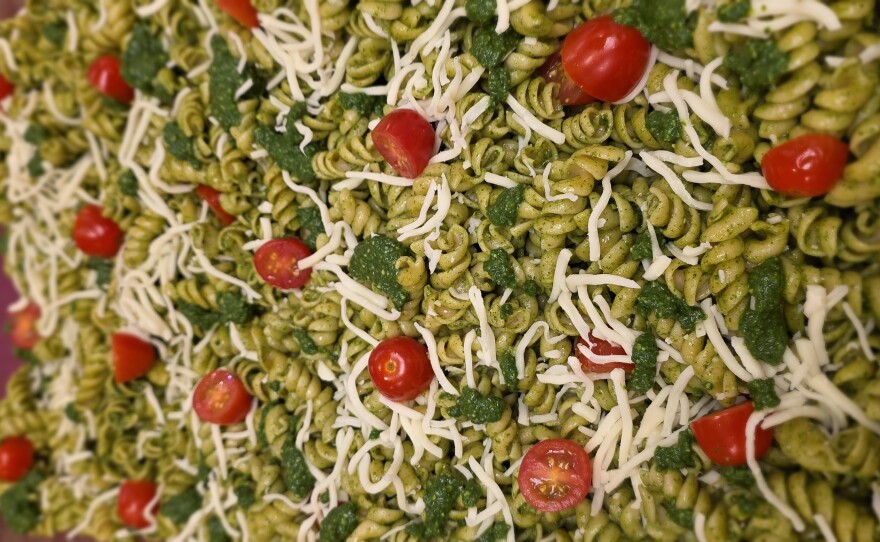
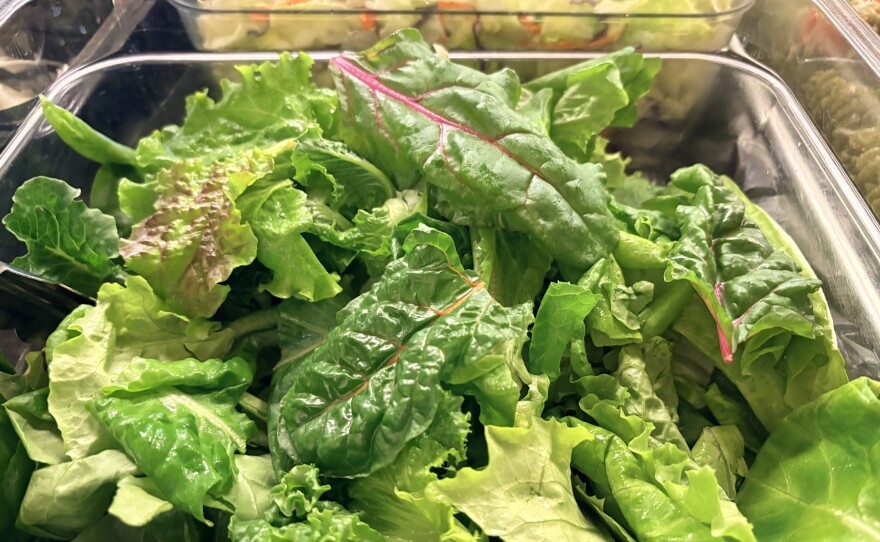


“It gets here and usually it's good for about one to two days. It starts to go bad, then we're picking through it," Grippa said.
But with the school's new hydroponic farms, that issue could become obsolete.
In addition to providing fresher, nutrient-rich greens grown right at the school, Grippa said the farms are helping them increase their sustainability and resource efficiency.
"It uses 98% less water than regular farming," she said. "We know it's gonna be fresh, it's coming literally five feet to your refrigerator. So it's going straight out to our schools, reducing waste."
Soil is also not required for the nutrient-rich, water system. It utilizes rockwool material that germinates seeds within two to three days and operates under 18-hour LED lights to make growing fresh food indoors easy.
Grippa said they eventually want to place a farm in each of the district’s schools to give students of all ages hands-on learning experiences and appreciation for the food they eat each day.
”Once we are up and running and have it more widely spread through the district, we can partner with classrooms and have them in classrooms for kids to see things growing and to have them harvest and learn germination and all of those things," she said.
Grippa said student interest has already been growing as the team continues to cultivate bins of fresh produce for lunches from the farms.
"There's actually a QR code that they can scan and learn about it and a lot of them have told me 'That was so cool to read,'" she said.
So far, Lebanon High School has seen two fruitful harvests from the farms and the nutrition team plans to try their hand at cucumber, strawberries and broccoli when students return from winter break.
