


Zack Carreon
/
WVXU
Many people in the Tri-State say rising inflation is affecting their pocketbooks, but will it affect the ballots they cast?


Frank Franklin II
/
AP


-
 The U.S. is the only major economy where planet-warming pollution dramatically increased last year. The United Nations warns the planet is on track for catastrophic warming.
 -
 Election officials in Los Angeles County say their preliminary analysis of the federal government's list of 20,000 "likely" noncitizens registered to vote in California shows the list is "unreliable."
 -
Fresh off a six-night residency at Las Vegas's Sphere, Carín León is proving that even the toughest hombres have a soft spot — and a song for every wound.
-
A publishing dispute has highlighted the issue of recusals by Supreme Court justices. We take a look at the court's policy and its impact.
-
Two weeks before Election Day, some state officials are preparing for the possibility of interference in their elections by the federal government.
-
Trump's policies have complicated his support among beef producers, a key constituency in states where tight Senate races could sway control of the body.
-
The alleged gang rape at a Cornell University fraternity house has revived discussions on college campuses. We talked to some men who have been thinking and writing about this.
-
Stop AAPI hate has been tracking hate acts against Asian-Americans for years. researchers say that perpetrators are increasingly using anti-immigrant language mirroring Trump administration rhetoric.
-
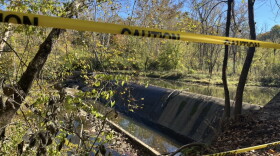 The Ohio Department of Natural Resources, Clermont Soil and Water Conservation District and other partners broke ground on the removal of the Cloverlick Creek Dam Tuesday.
 -
The practice known as "free birth" — giving birth at home without a midwife — carries severe risks. But social media influencers are bringing attention and followers to the practice.


